vaginoplasty for congenital absense of vagina mons lift

Restoring Hope and Form: Vaginoplasty for Congenital Absence of Vagina with Mons Lift by Dr. S. Sivakumar
For individuals born without a vagina, navigating life can present unique challenges, both physical and emotional. At Covai Cosmetic Surgery in Coimbatore, under the expert guidance of Dr. S. Sivakumar, we understand these profound needs. We offer advanced solutions, including vaginoplasty for congenital absence of the vagina combined with a mons lift, to help restore form, function, and confidence.
What is Vaginoplasty for Congenital Absence of Vagina with Mons Lift?
Vaginoplasty, in this specific context, is a reconstructive surgical procedure designed to create a functional vaginal canal for individuals born with congenital absence of the vagina, often associated with conditions like Müllerian agenesis (MRKH syndrome). The addition of a mons lift addresses the aesthetic aspect of the pubic mound, ensuring a more harmonious and natural appearance of the entire genital area. This comprehensive approach aims for both functional and cosmetic success.
Overview
Our goal at Covai Cosmetic Surgery is to provide a complete solution for those seeking to create a neovagina. This procedure not only facilitates sexual intimacy but also significantly improves psychological well-being and body image. We focus on achieving results that are both medically sound and aesthetically pleasing.
Causes
The primary cause for congenital absence of the vagina is Müllerian agenesis, commonly known as Mayer-Rokitansky-Küster-Hauser (MRKH) syndrome. This is a congenital condition, meaning individuals are born with it, and it occurs when the Müllerian ducts, which form the uterus, fallopian tubes, cervix, and the upper part of the vagina, do not develop properly. It is not caused by any actions or inactions of the individual or their parents.
Solutions
The primary solution involves the creation of a neovagina. This can be achieved through both non-surgical methods (e.g., dilator therapy) and various surgical techniques. For a more definitive and often preferred long-term solution, surgical vaginoplasty is considered.
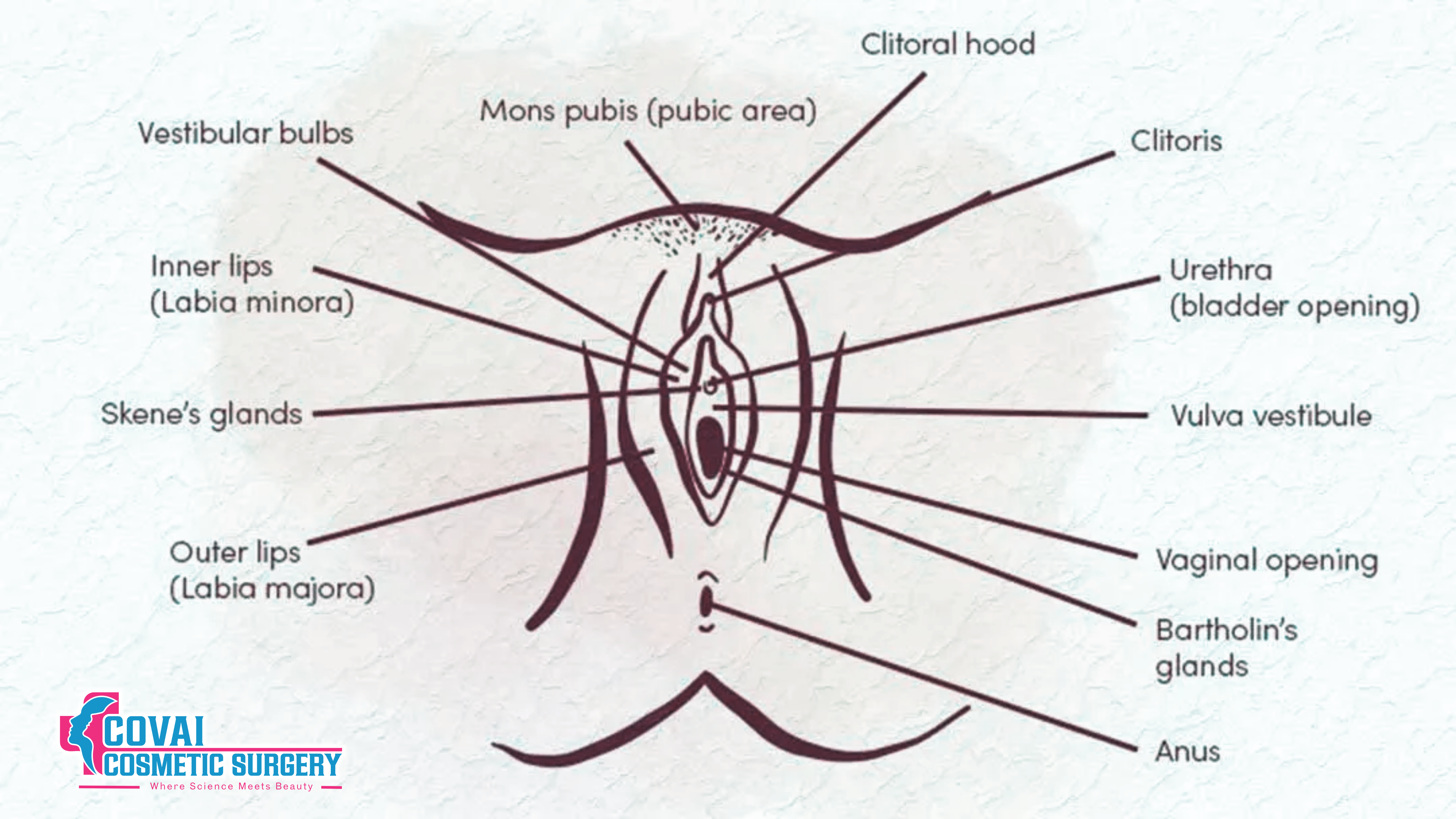
Types of Vaginoplasty for Congenital Absence of Vagina Mons Lift
Several surgical techniques exist to create a neovagina, each with its own advantages. These can include:
- McIndoe technique: Utilizes a skin graft to line the newly created canal.
- Davydov technique: Uses peritoneal tissue from the abdomen to line the neovagina.
- Bowel vaginoplasty: Involves using a segment of the bowel.
- Vecchietti procedure: A non-surgical or minimally invasive method often preceding surgical creation.
The mons lift is an additional, complementary procedure performed to reshape and lift the pubic mound, ensuring an aesthetically pleasing contour in conjunction with the newly formed vagina.
Types of Treatments
Treatment for congenital absence of the vagina is multifaceted. It involves:
- Thorough diagnostic evaluation and counseling.
- Surgical creation of the neovagina tailored to the individual's anatomy.
- Post-operative management, including regular dilation to maintain the depth and width of the neovagina.
- Long-term follow-up and psychological support.
Types of Stages
The journey typically involves several key stages:
- Pre-operative Assessment & Counseling: Comprehensive medical evaluation, psychological support, and detailed discussions about expectations and outcomes.
- Surgical Procedure: The vaginoplasty and mons lift are performed under general anesthesia.
- Post-operative Recovery & Dilation: Initial healing followed by a crucial period of consistent vaginal dilation to prevent stenosis and maintain the neovagina.
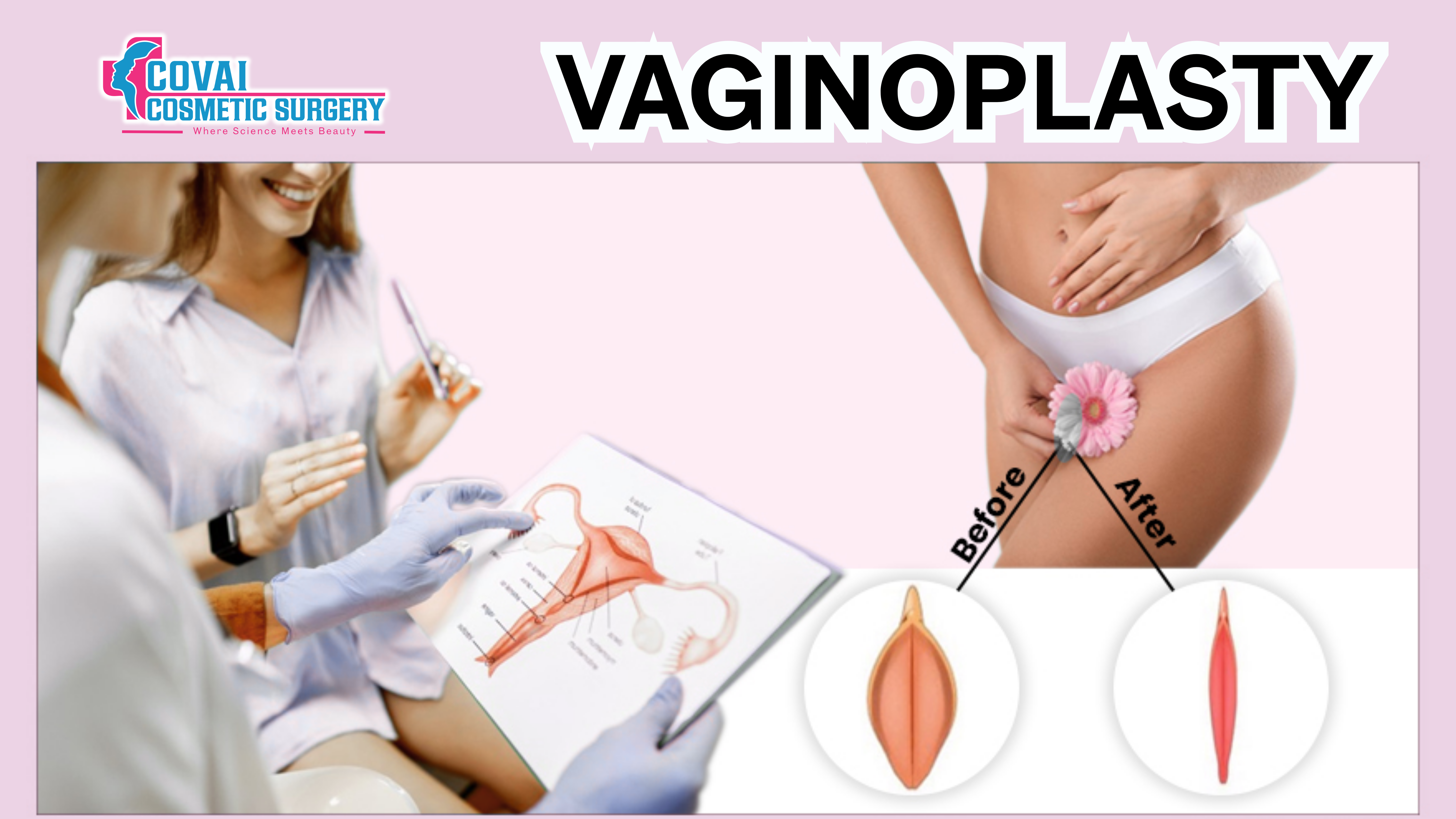
Surgery Procedures and Recovery Time
The surgical procedure involves creating a space between the rectum and the bladder, then lining this space with tissue to form the neovagina. Simultaneously, the mons lift is performed to reposition and tighten the pubic area. Patients typically stay in the hospital for a few days. Initial recovery involves managing discomfort and swelling. A critical part of the long-term recovery is consistent vaginal dilation, often starting a few weeks post-surgery and continuing for several months, or even years, as advised by your surgeon. Full cosmetic and functional results are usually appreciated after several months.
Why Choose Dr. S. Sivakumar for Your Vaginoplasty for Congenital Absence of Vagina Mons Lift?
Choosing the right surgeon is paramount for such a specialized and life-changing procedure. Dr. S. Sivakumar at Covai Cosmetic Surgery in Coimbatore brings extensive experience and expertise in complex reconstructive procedures. We are dedicated to a patient-centered approach, offering:
- Specialized Expertise: Dr. Sivakumar's proficiency in reconstructive and cosmetic surgery ensures optimal outcomes.
- Holistic Care: We provide comprehensive support, from initial consultation and psychological counseling to post-operative care and long-term follow-up.
- Advanced Techniques: Utilizing state-of-the-art surgical methods to achieve the best functional and aesthetic results.
- Compassionate Environment: Our team ensures a supportive and understanding environment throughout your journey.