ingrowing toe nail removal

Ingrowing Toe Nail Removal: Your Comprehensive Guide with Dr. Sivakumar
Ingrowing toenails can be a painful and frustrating condition that affects many individuals. If you find yourself struggling with the discomfort of a toenail that grows into the surrounding skin, you’re not alone. At Covai Cosmetic Surgery, under the expert care of Dr. S. Sivakumar in Coimbatore, we specialize in ingrowing toe nail removal and are here to provide you with the necessary information and solutions.
What is Ingrowing Toe Nail Removal?
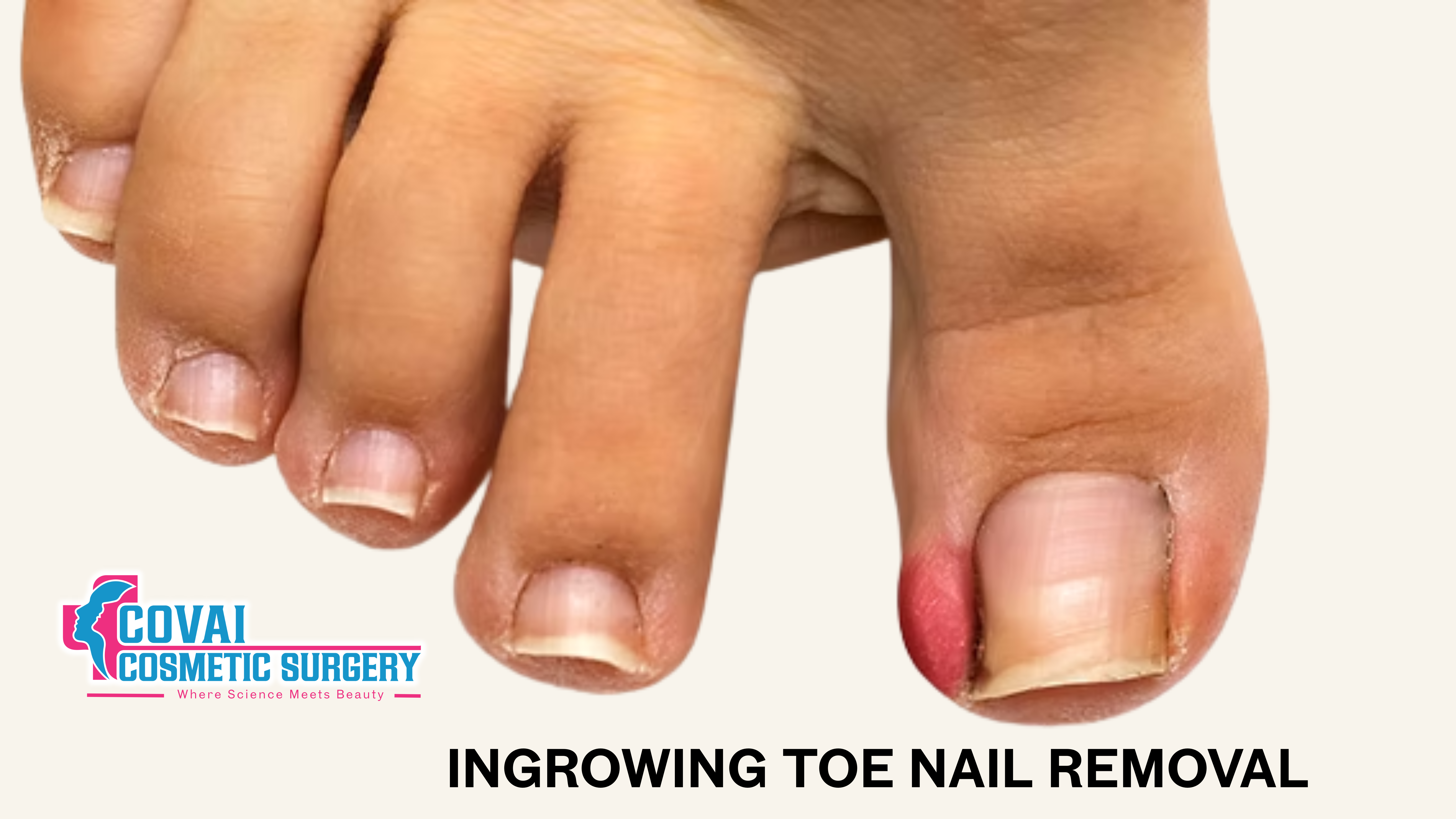
Ingrowing toe nail removal refers to the surgical procedure aimed at alleviating the pain caused by a toenail that has grown into the skin of the toe. This condition not only causes discomfort but can also lead to infections if left untreated.
Overview
The ingrowing toenail involves the lateral or medial edges of the toenail penetrating the soft tissue surrounding it. This can happen due to various reasons, including improper nail trimming, wearing tight shoes, or injury to the toe.
Causes
Understanding the causes of ingrowing toenails can help you take preventive measures. Some common causes include:
- Improper Nail Cutting: Cutting nails too short or rounding the edges can encourage ingrowth.
- Footwear Choices: Tight-fitting shoes can put pressure on the toes, promoting ingrowth.
- Genetics: Some individuals are genetically predisposed to ingrowing toenails.
- Injury: Trauma to the toe, such as stubbing, can lead to abnormal nail growth.
Solutions
The good news is that ingrowing toenails can be effectively treated. Here are some common solutions:
- Conservative Treatments: This includes soaking the affected foot in warm water, wearing appropriate footwear, and using antiseptics.
- Surgical Removal: In cases where conservative treatments fail, removal of the ingrown portion of the nail, or the entire nail, may be necessary.
Types of Ingrowing Toe Nail Removal
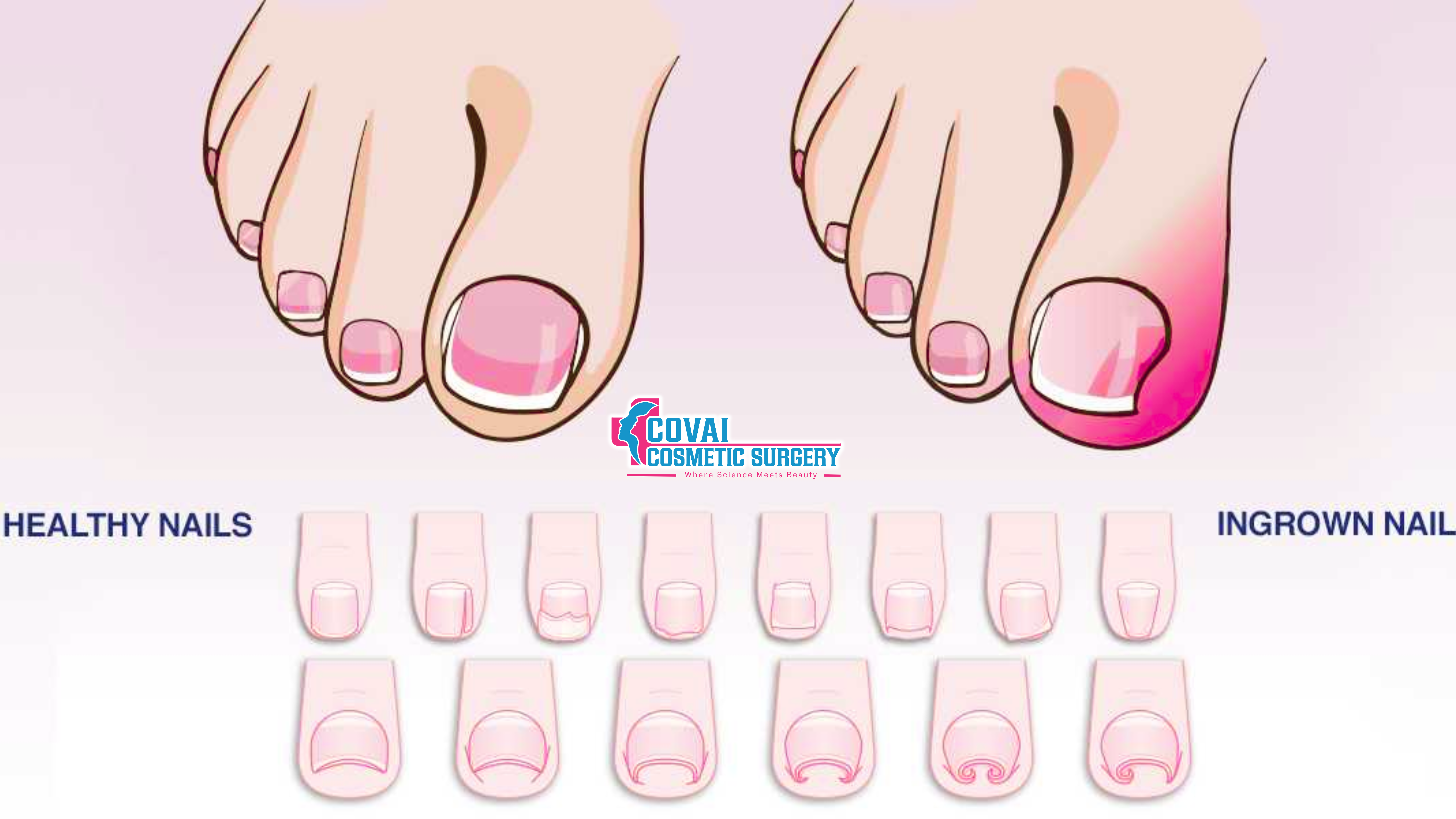
There are two main types of ingrowing toenail removal procedures:
- Partial Nail Removal: Where only the affected portion of the toenail is removed.
- Total Nail Removal: Where the entire toenail is excised, usually followed by the application of chemical agents to prevent regrowth.
Types of Treatments
Treatment options may include:
- Nail Bracing
- Surgical Intervention
- Antibiotic Therapy for Infections
Types of Stages
Ingrowing toenails are usually categorized into three stages:
- Stage One: Mild redness and swelling.
- Stage Two: Increased pain and discharge may occur; signs of infection are noticeable.
- Stage Three: Severe pain, inflammation, and the possibility of abscess formation.
Surgery Procedures and Recovery Time
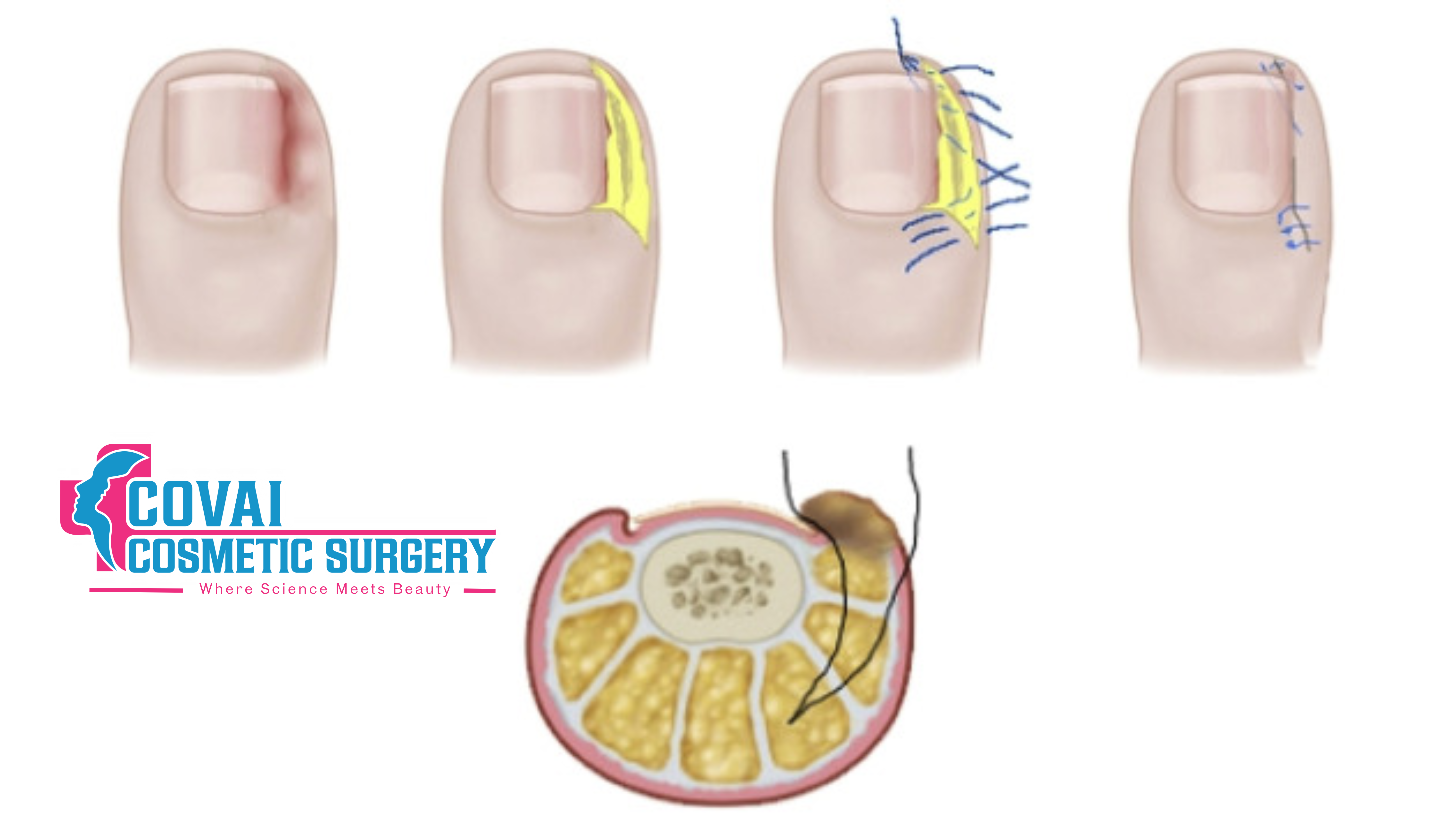
The surgical procedure typically lasts about 20 to 30 minutes and can be performed under local anesthesia. Most patients can resume normal activities within a week, although full recovery may take up to six weeks, depending on the extent of the procedure.
Why Choose Dr. S. Sivakumar for Your Ingrowing Toe Nail Removal?
At Covai Cosmetic Surgery, Dr. S. Sivakumar brings years of expertise and a compassionate approach to patient care. Our facility is equipped with the latest technology, ensuring a safe and effective removal process. We prioritize patient comfort and offer tailored solutions based on individual needs.