hirsutism (excessive hair growth)

Managing Hirsutism: Effective Non-Surgical Solutions at Covai Cosmetic Surgery
Excessive hair growth can be a source of significant discomfort and self-consciousness for many. At Covai Cosmetic Surgery in Coimbatore, under the expert guidance of Dr. S. Sivakumar, we understand these concerns deeply. We are dedicated to offering comprehensive and effective non-surgical solutions for Hirsutism (Excessive Hair Growth), helping our patients regain confidence and comfort.
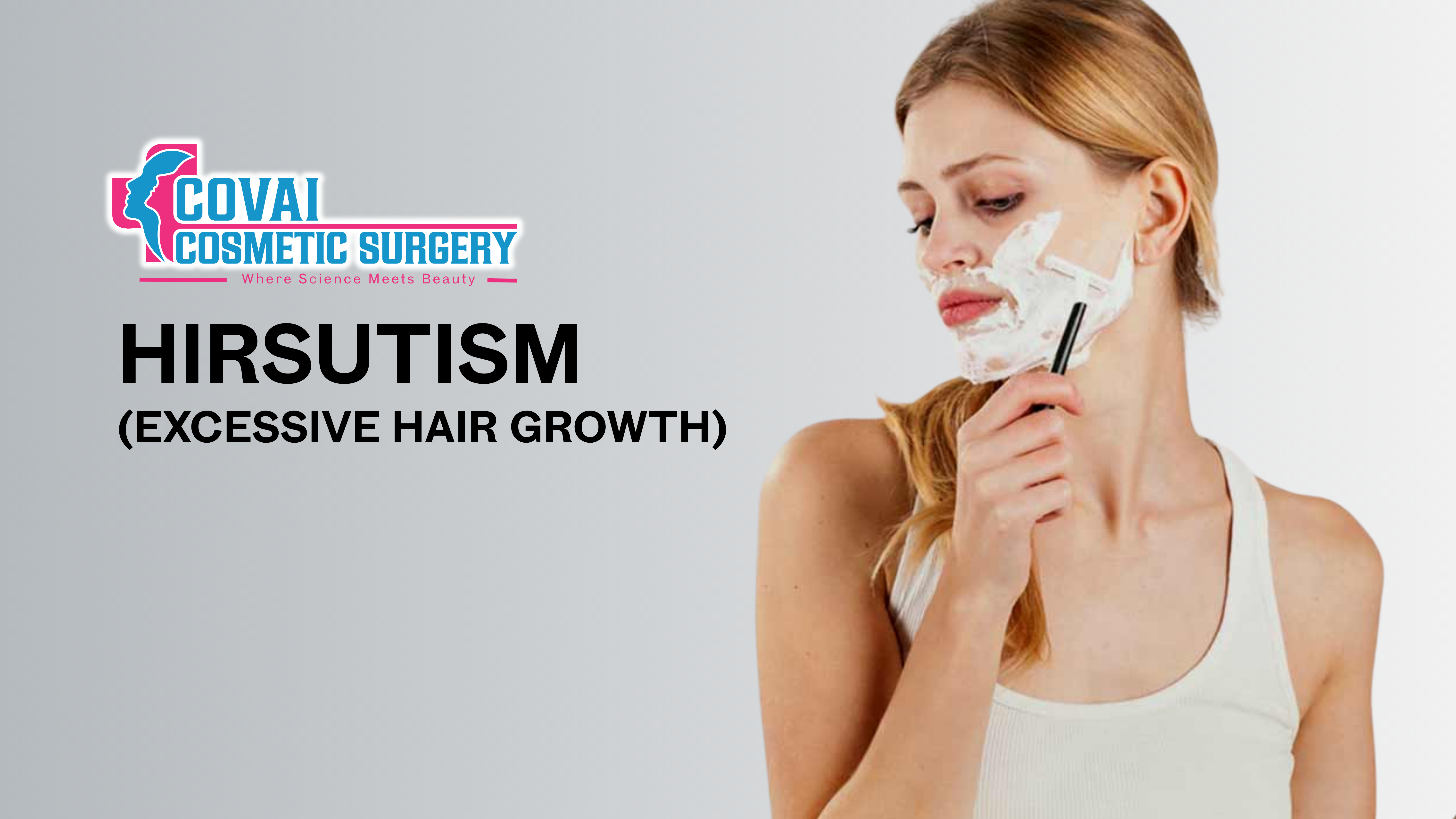
What is Hirsutism (Excessive Hair Growth)?
Hirsutism is a condition characterized by the growth of coarse, dark hair in areas where women typically have fine hair, such as the face, chest, and back. This pattern of hair growth is often associated with male hormone (androgen) levels.
Overview: Understanding Hirsutism
For those experiencing Hirsutism, it's not just about unwanted hair; it can impact self-esteem and quality of life. We believe in a holistic approach, addressing both the physical manifestations and the emotional well-being of our patients. Our goal is to provide clear information and effective treatment plans tailored to individual needs.
Causes: Why Does Hirsutism Occur?
The most common causes of Hirsutism (Excessive Hair Growth) include:
- Polycystic Ovary Syndrome (PCOS): This is the leading cause, characterized by hormonal imbalances.
- Adrenal Gland Disorders: Conditions like Cushing's syndrome or congenital adrenal hyperplasia.
- Medications: Certain drugs can cause hirsutism as a side effect.
- Idiopathic Hirsutism: When no specific cause can be identified, often linked to increased sensitivity of hair follicles to normal androgen levels.
- Tumors: Rarely, androgen-secreting tumors can be a cause.
Solutions: Our Approach to Managing Hirsutism
While addressing the underlying cause is crucial, our primary focus at Covai Cosmetic Surgery is on managing and reducing the unwanted hair growth through advanced non-surgical methods. We aim to deliver long-lasting and aesthetically pleasing results.
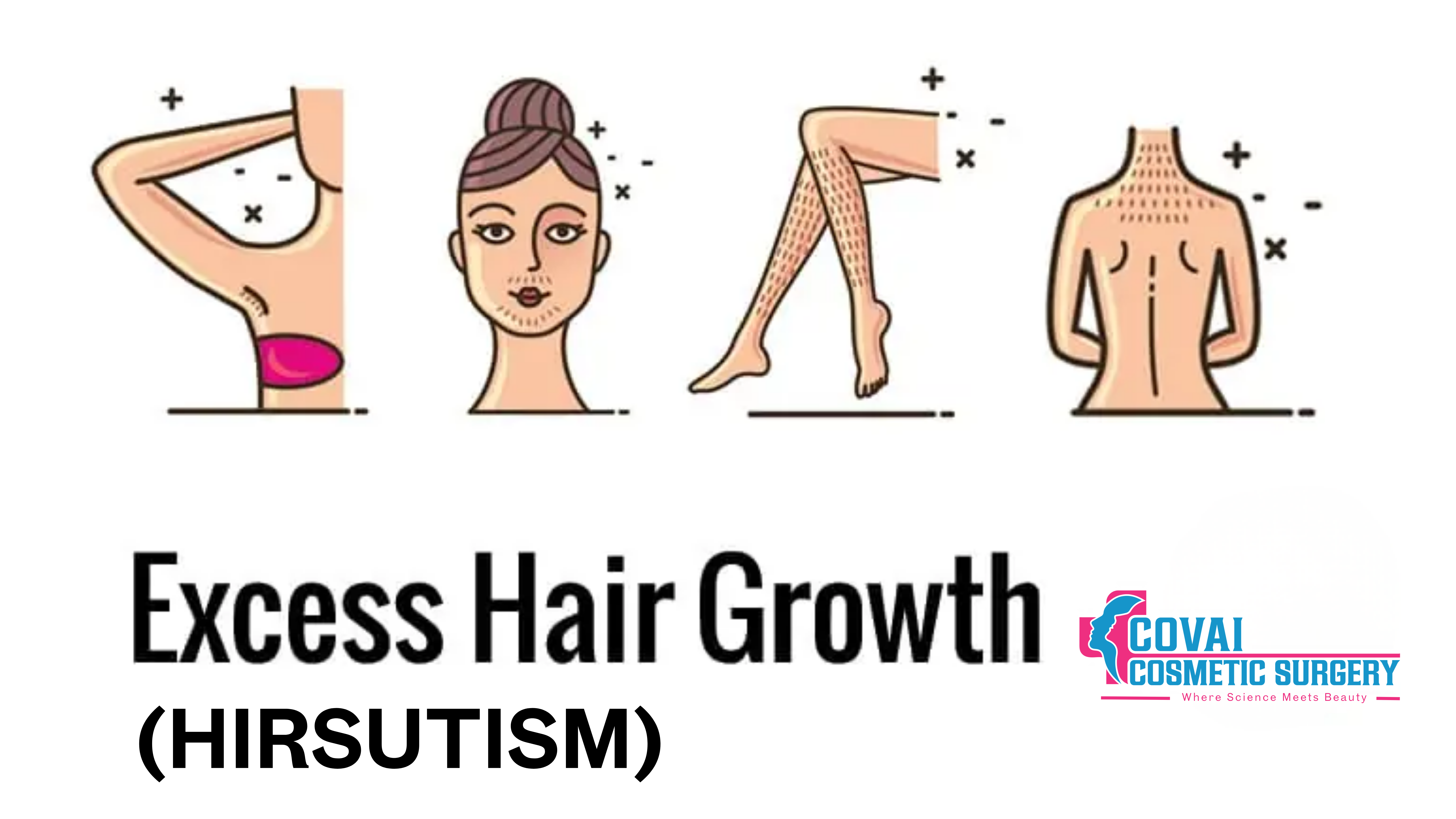
Types of Hirsutism (Excessive Hair Growth)
Hirsutism can be categorized based on its origin:
- Endocrine Hirsutism: Caused by hormonal imbalances (e.g., PCOS).
- Non-Endocrine (Idiopathic) Hirsutism: When no hormonal abnormality is found, often genetic.
- Drug-Induced Hirsutism: A side effect of certain medications.
Types of Treatments (Non-Surgical Focus)
Our practice specializes in the following non-surgical treatments for Hirsutism (Excessive Hair Growth):
- Laser Hair Reduction: This is one of the most effective and popular methods. We use state-of-the-art laser technology to target hair follicles, significantly reducing hair growth over a series of sessions. It offers long-term reduction and finer, lighter
- Electrolysis: A proven method for permanent hair removal, electrolysis works by destroying individual hair follicles with a fine probe. It is particularly effective for lighter hairs that lasers may not target as effectively.
- Topical Medications: Certain prescription creams can help slow down hair growth.
- Oral Medications: For cases linked to hormonal imbalances, oral medications prescribed by an endocrinologist can help regulate hormone levels, thereby reducing hair growth. We often work in conjunction with other specialists to provide comprehensive care.
Types of Stages (Severity)
Hirsutism is often assessed using a scoring system, such as the Ferriman-Gallwey score, which evaluates hair growth across nine body areas. This helps us determine the severity and tailor the most appropriate treatment plan. The stages range from mild to severe, influencing the intensity and duration of treatment required.
Surgery Procedures and Recovery Time
It's important to clarify that for the hair removal aspect of Hirsutism (Excessive Hair Growth), surgical procedures are generally not employed. Our expertise lies in non-surgical methods that effectively reduce and manage unwanted hair. While underlying conditions causing hirsutism (like certain tumors or ovarian cysts) might require surgical intervention by relevant specialists, this falls outside the scope of hair removal itself. Our focus remains firmly on non-surgical, minimally invasive treatments for the hair growth, which typically involve no downtime, allowing you to return to your daily activities immediately after your sessions.
Why Choose Dr. S. Sivakumar for Your Hirsutism (Excessive Hair Growth)?
Dr. S. Sivakumar, leading Covai Cosmetic Surgery in Coimbatore, brings extensive experience and a compassionate approach to treating Hirsutism. We pride ourselves on:
- Expertise: Dr. Sivakumar is highly skilled in advanced non-surgical aesthetic treatments.
- Personalized Care: We develop customized treatment plans based on your specific condition and goals.
- Advanced Technology: We utilize the latest and safest technologies for effective hair reduction.
- Comprehensive Support: We guide you through every step, ensuring comfort and optimal results.