female hair line advancement

Female Hair Line Advancement: A Comprehensive Guide by Dr. Sivakumar
At Covai Cosmetic Surgery in Coimbatore, we understand that hair loss can be a distressing experience for many women. Female hair line advancement is a solution that helps restore confidence by addressing hairline recession. In this blog post, we will delve into what female hair line advancement entails, its causes, solutions, types of treatments, and why Dr. S. Sivakumar is the ideal choice for your hair restoration needs.
What is Female Hair Line Advancement?
Female hair line advancement is a surgical procedure aimed at repositioning the hairline to a more youthful and aesthetically pleasing position. This procedure can enhance facial features and restore a more youthful appearance.
Overview
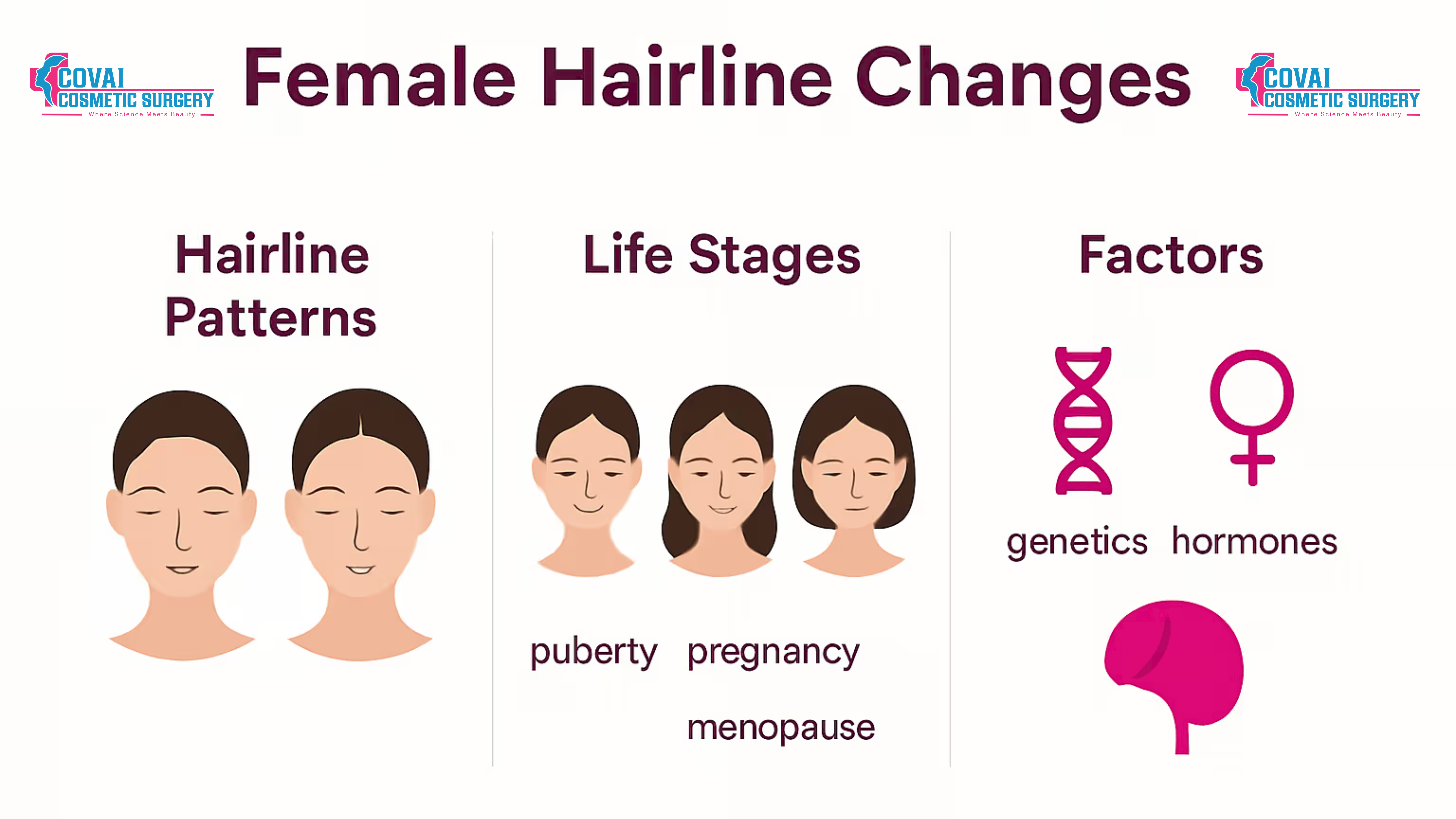
The hairline typically recedes due to a variety of factors, including genetics, hormonal changes, and environmental influences. Female hair line advancement can effectively reverse the effects of these causes, leading to improved self-esteem and satisfaction.
Causes
Several factors contribute to hair line advancement in women, including:
- Genetics: Family history of hair loss
- Hormonal Changes: Pregnancy, menopause, and thyroid disorders
- Aging: Natural aging process leading to thinning hair
- Stress: Physical or emotional stress can impact hair growth
Solutions
Fortunately, there are various approaches to tackle hair line issues. Some common solutions include:
- Hair Transplant Surgery: A permanent solution that involves moving hair follicles from a donor area to the thinning or receding areas.
- Non-Surgical Treatments: Options like PRP (Platelet-Rich Plasma) therapy or topical treatments to stimulate hair growth.
Types of Female Hair Line Advancement
- Forehead Reduction: Reducing the size of the forehead by advancing the hairline.
- Hair Transplant: Transplanting hair follicles to achieve a denser hairline.
- Scalp Micropigmentation: A non-surgical option that creates the illusion of a fuller hairline.
Types of Treatments
When considering female hair line advancement, we offer several treatment options:
- FUE (Follicular Unit Extraction): A minimally invasive hair transplant technique.
- FUT (Follicular Unit Transplantation): A traditional method involving a strip of scalp.
- Topical Treatments: Minoxidil and other hair growth stimulants.
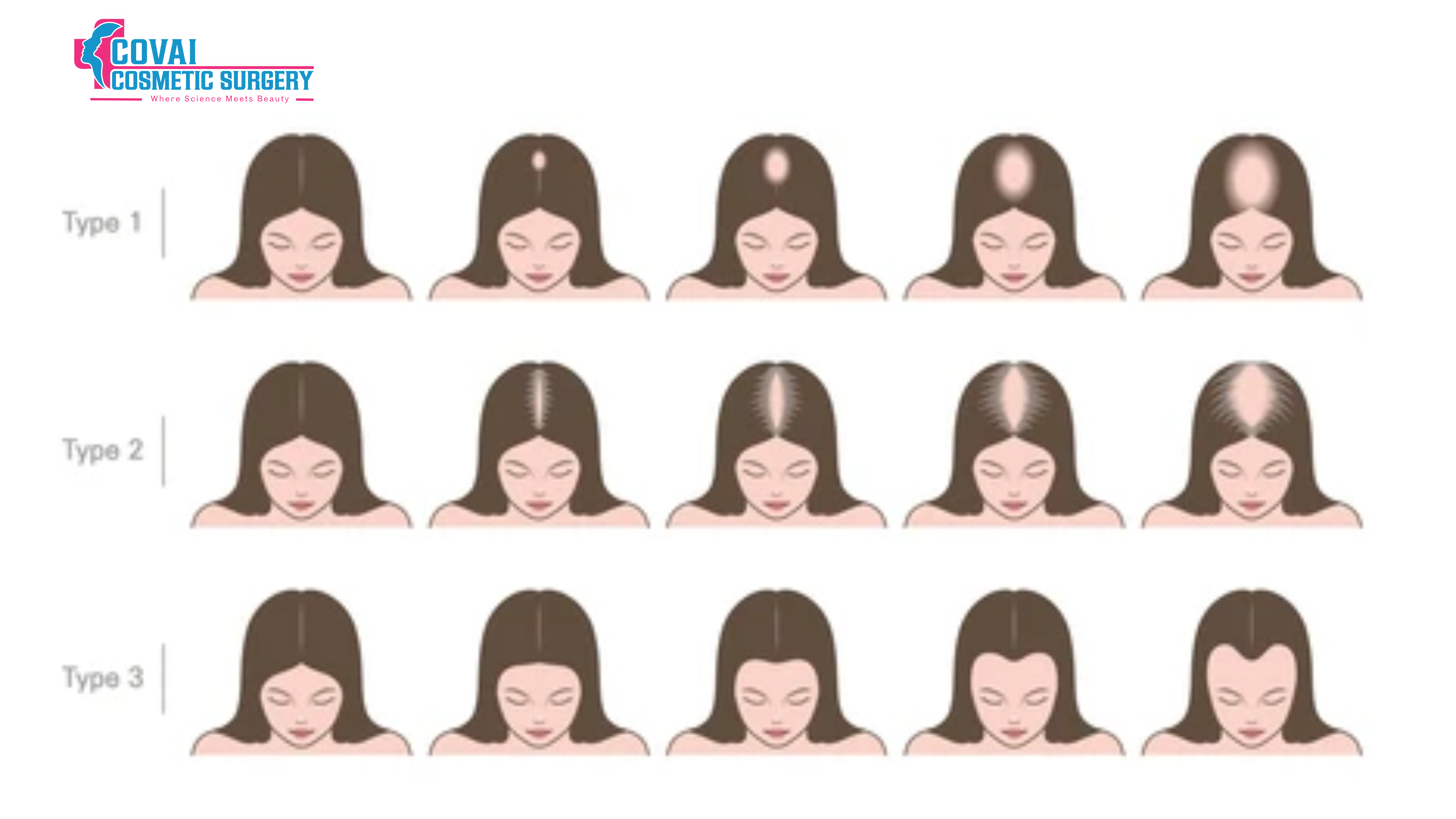
Types of Stages
The journey to hair restoration can be broken down into several stages:
- Consultation: Discussing goals and assessing hair loss.
- Planning: Creating a tailored treatment plan.
- Procedure: Undergoing the surgical or non-surgical procedure.
- Recovery: Post-operative care and monitoring.
- Results: Observing the final outcome over time.
Surgery Procedures and Recovery Time
The surgical procedure typically lasts between 4 to 8 hours, depending on the extent of the advancement. Recovery time can vary, but most patients can return to normal activities within a week, with complete healing occurring in several months.
Why Choose Dr. S. Sivakumar for Your Female Hair Line Advancement?
Dr. S. Sivakumar is a renowned specialist in hair restoration at Covai Cosmetic Surgery, Coimbatore. His expertise, combined with state-of-the-art techniques, ensures that each patient receives personalized care and optimal results. We prioritize patient comfort and satisfaction, making us a trusted choice for hair line advancement.